Personalized body contouring using your own fat
What is fat transfer?
Fat transfer, also known as fat grafting, is a surgical procedure that removes fat from one area of the body and transfers it to another area where additional volume, shape or contour is desired.
The procedure begins with liposuction from a donor area such as the abdomen, thighs, flanks or back. The collected fat is then processed and carefully placed in the selected treatment area.
At Mooi, Dr. Botha develops each fat-transfer plan according to the patient’s anatomy, available donor fat, treatment goals and desired degree of enhancement.
Why patients choose fat transfer
- Uses your body’s own natural fat
- Enhances volume and shape
- Helps improve body proportions
- Removes fat from donor areas
- May reduce the need for implants in select patients
What areas can be enhanced with fat transfer?

Breasts
Buttocks
Hip dips
Hips
Curves and body proportions
Areas with volume loss or contour irregularities
Select areas needing soft-tissue enhancement
How does fat transfer work?
Fat harvesting
Fat transfer begins with a consultation to evaluate the areas where additional volume is desired and identify suitable donor areas. Common donor areas may include the abdomen, thighs, flanks, back or other areas with available fat.
Fat processing
After the fat is collected, it is carefully processed in preparation for placement. The method used depends on the treatment area and Dr. Botha’s individualized surgical plan.
Fat placement
The prepared fat is carefully placed in clinician-selected areas to address the patient’s body-contouring goals. The amount and placement are determined by the patient’s anatomy, available fat and desired degree of enhancement.
Body fat transfer options
Breast fat transfer uses liposuction to collect fat from another area of the body. The fat is then processed and carefully placed in the breasts to add volume or address selected shape and symmetry concerns. It may be considered for patients seeking a modest increase in breast volume without implants. The amount of enhancement possible depends on the patient’s anatomy and available donor fat.
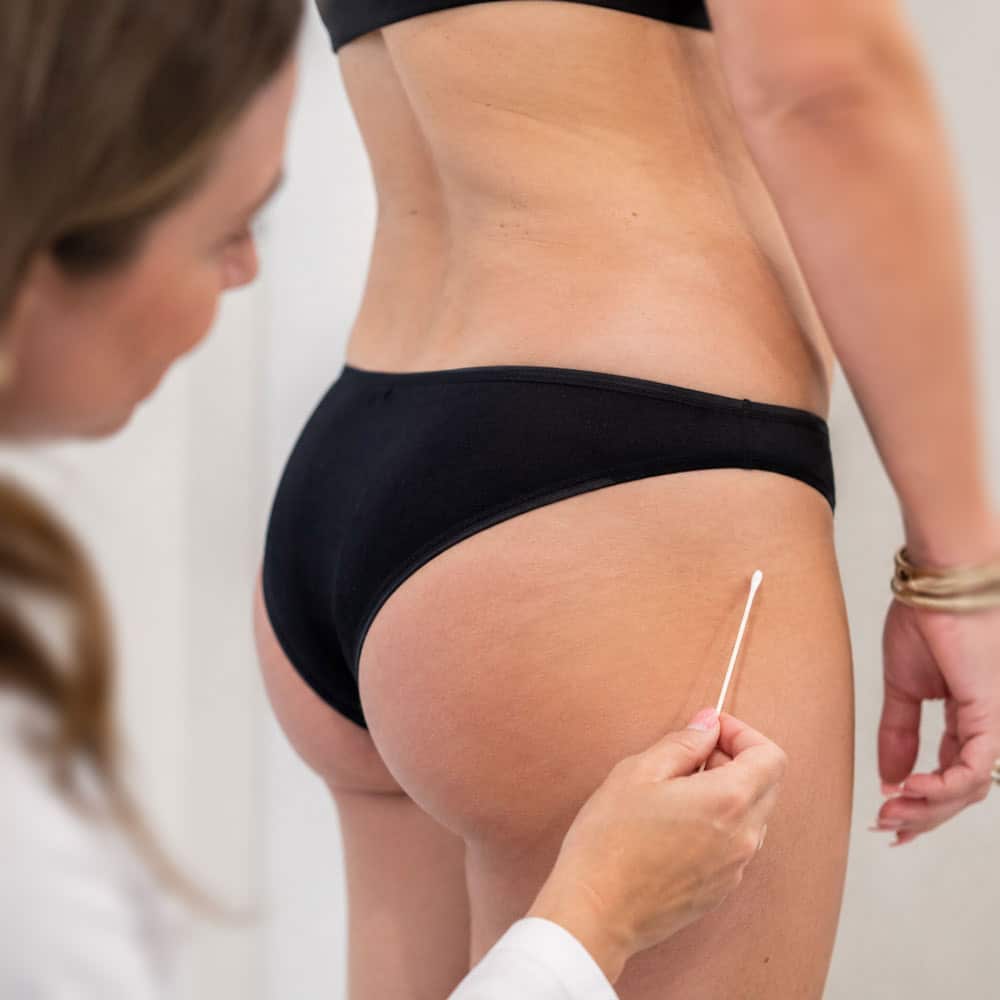
Buttock fat transfer, commonly referred to as a Brazilian butt lift or BBL, uses liposuction to collect fat from selected donor areas. The prepared fat is then placed in clinician-selected areas of the buttocks to add volume and address shape or projection. The treatment plan is personalized to the patient’s anatomy, available donor fat and goals.
Fat transfer may be used to add volume to selected areas of the hips, soften the appearance of hip dips and create a smoother transition between the waist, hips and buttocks. The amount and placement of fat are determined according to the patient’s anatomy, available donor fat and individualized body-contouring plan.
Is fat transfer a weight-loss procedure?
No. Fat transfer is not a weight-loss treatment.
Although liposuction is used to harvest fat, the goal is body contouring and volume enhancement, not overall weight reduction. The best candidates are typically near a stable weight and have enough donor fat for transfer.
Cost of the treatment
Starting at $6,500.
Frequently asked questions
Who may be a good candidate?
Fat transfer may be considered for patients who have sufficient donor fat, are near a stable weight, want a modest or moderate degree of enhancement, understand that some transferred fat may be reabsorbed and are appropriate candidates for a surgical procedure.
A consultation with Dr. Botha is required to determine whether fat transfer or another body-contouring option may be appropriate.
Can fat transfer replace implants?
For select patients seeking a modest degree of enhancement, fat transfer may be considered as an alternative to implants. Patients seeking a larger increase in volume may require a different approach or staged procedures.
Can fat transfer be combined with body sculpting?
Liposuction and fat transfer may be included within the same individualized body-contouring plan when appropriate. Dr. Botha will determine whether a combined approach should be considered based on your anatomy and goals.
Will all the transferred fat remain?
Some transferred fat may be naturally reabsorbed during the healing process. The amount retained and the final appearance vary by patient.