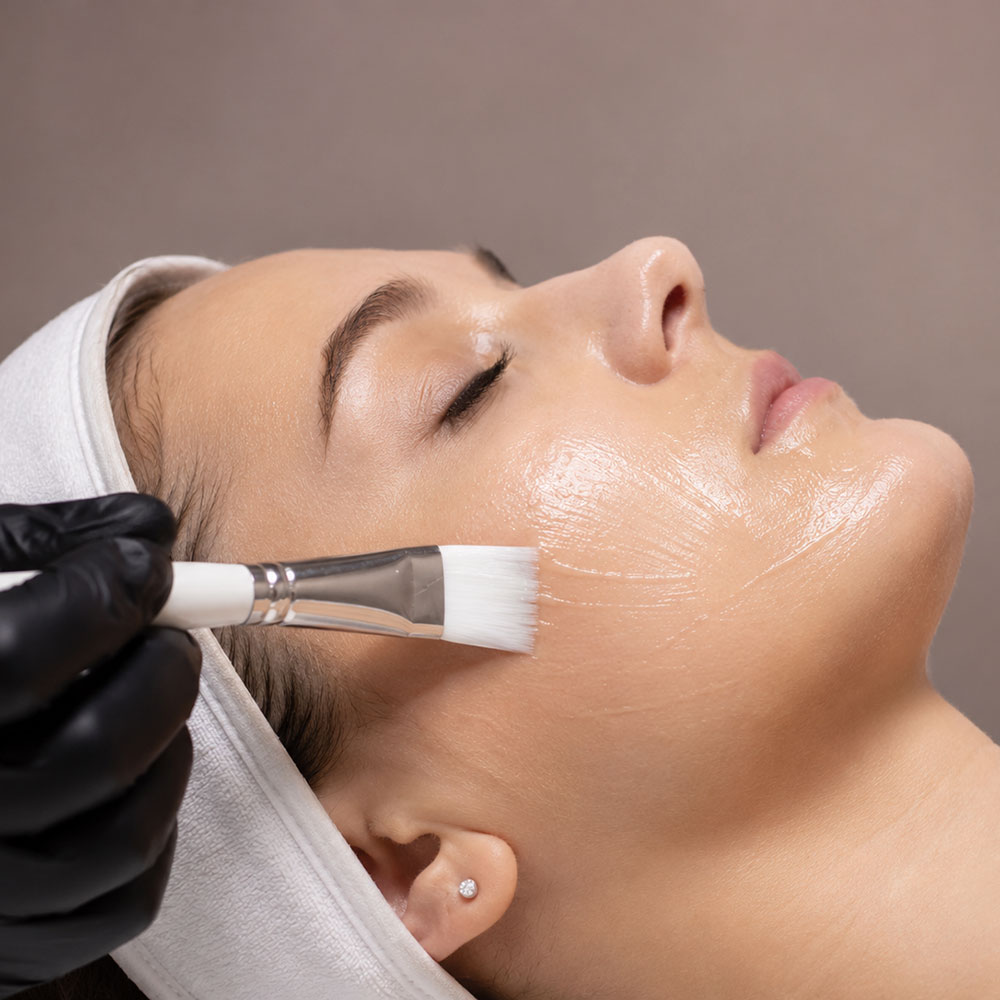
A chemical peel is a skin treatment that uses a professional chemical solution to remove damaged outer layers of skin. As the skin renews, the treated area can appear smoother, brighter, and more even in tone.
Chemical peels can be customized based on your skin type, concerns, and desired level of correction. Some peels are more superficial and focus on glow, texture, and mild discoloration, while stronger peels may address deeper pigmentation, acne scarring, and more visible signs of aging. Different solutions may be used depending on your treatment plan, including AHAs, BHAs, and TCA peels. Each option works at a different depth to help refresh the skin safely and effectively.
See our stunning results
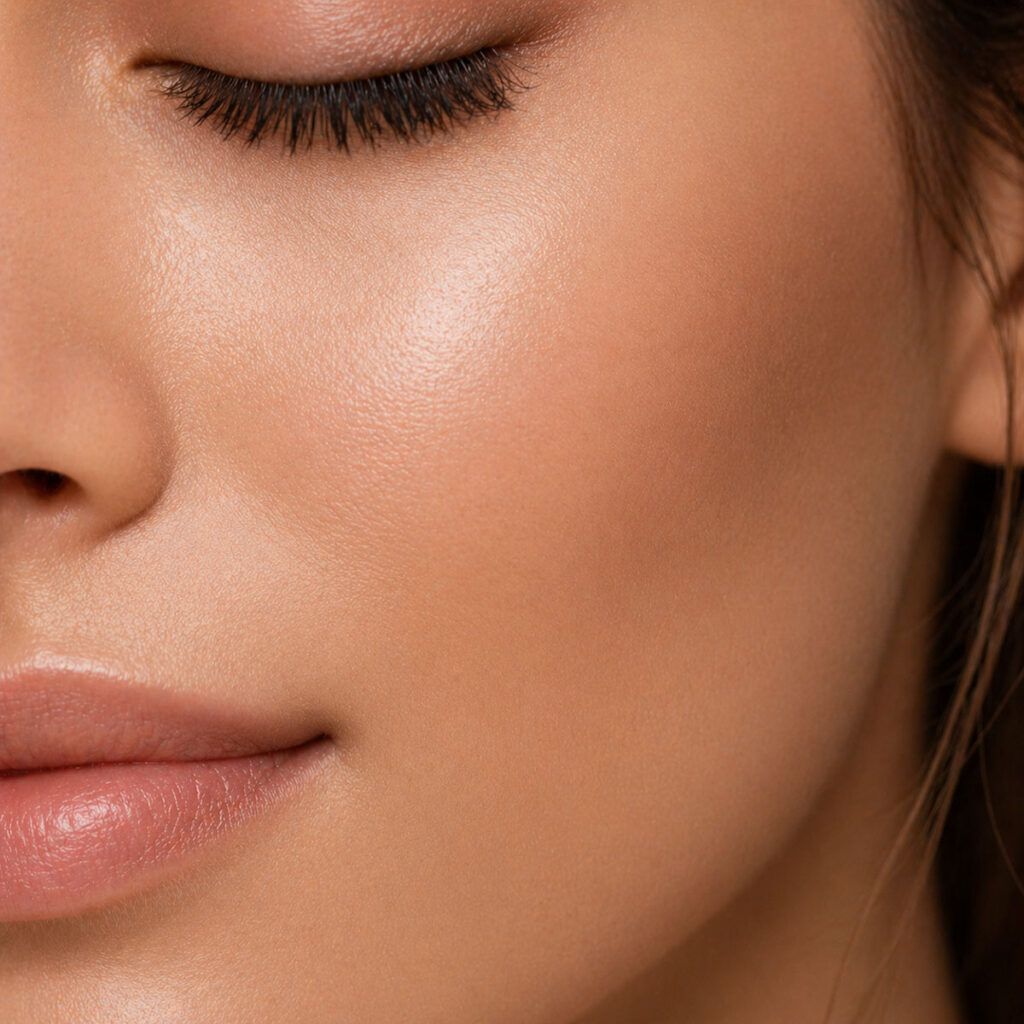
Before & after
What can a chemical peel treat?
Fine lines and wrinkles
Sun damage
Age spots
Uneven skin tone
Acne scars
Rough skin texture
Hyperpigmentation
How long does it last?
Chemical peel results vary based on the depth of the peel, your skin concerns, skincare routine, lifestyle, and sun exposure. Many patients notice brighter, smoother skin after healing, with results that can be maintained through proper skincare, daily sunscreen, and a recommended treatment plan.
Your chemical peel treatment, step by step
Before treatment
Your skin will be evaluated during consultation to determine the best peel type and strength. You may be asked to avoid certain skincare products, sun exposure, waxing, or exfoliating treatments before your appointment.
During treatment
The skin is cleansed, and the peel solution is applied to the treatment area. You may feel tingling, warmth, or mild stinging while the peel is active.
Immediately after
The skin may look pink, flushed, tight, or slightly sensitive. The level of redness and peeling depends on the type and depth of the chemical peel used.
Recovery & downtime
Downtime varies. Lighter peels may involve mild flaking, while deeper peels may cause more noticeable peeling for several days. It is important not to pick or pull at peeling skin.
When you’ll see results
Some patients notice a brighter glow within several days. More visible improvements in texture, tone, and discoloration usually appear as the skin finishes peeling and renewing.
Recommended treatment plan
Your provider may recommend a single peel or a series of treatments depending on your skin goals. Mild concerns may benefit from regular maintenance peels, while more advanced concerns may require a stronger peel or multiple sessions.
How long results last
Results can last several weeks to months, depending on the peel depth and how well the skin is protected afterward.
What affects longevity
Sun exposure, skincare habits, age, skin condition, lifestyle, and consistency with maintenance treatments can all affect how long results last.
Cost of the treatment
Starting at $825.
Frequently asked questions
How painful is a chemical peel?
Most patients feel tingling, warmth, or mild stinging during the treatment. The sensation depends on the strength of the peel and your skin sensitivity.
How long does peeling last?
Peeling can last a few days to about one week, depending on the depth of the peel. Some lighter peels may only cause mild flaking.
Can a chemical peel help with acne scars?
Yes, chemical peels may help improve the appearance of certain acne scars and uneven texture. Deeper or more advanced scarring may require a customized treatment plan or combination approach.
Is a chemical peel better than laser treatment?
Chemical peels and laser treatments work differently. A chemical peel resurfaces the skin using a chemical solution, while lasers use light-based energy. The better option depends on your skin concerns, skin type, downtime preferences, and treatment goals.
Who is a good candidate for a chemical peel?
A good candidate is someone looking to improve dullness, uneven tone, sun damage, fine lines, acne-prone skin, or texture. A consultation is important to determine which peel is safest and most appropriate for your skin.
Cookie Consent
We use cookies to improve your experience on our site. By using our site, you consent to cookies.
Cookie Preferences
Manage your cookie preferences below:
Essential cookies enable basic functions and are necessary for the proper function of the website.
Name
Description
Duration
Cookie Preferences
This cookie is used to store the user's cookie consent preferences.
30 days
These cookies are needed for adding comments on this website.