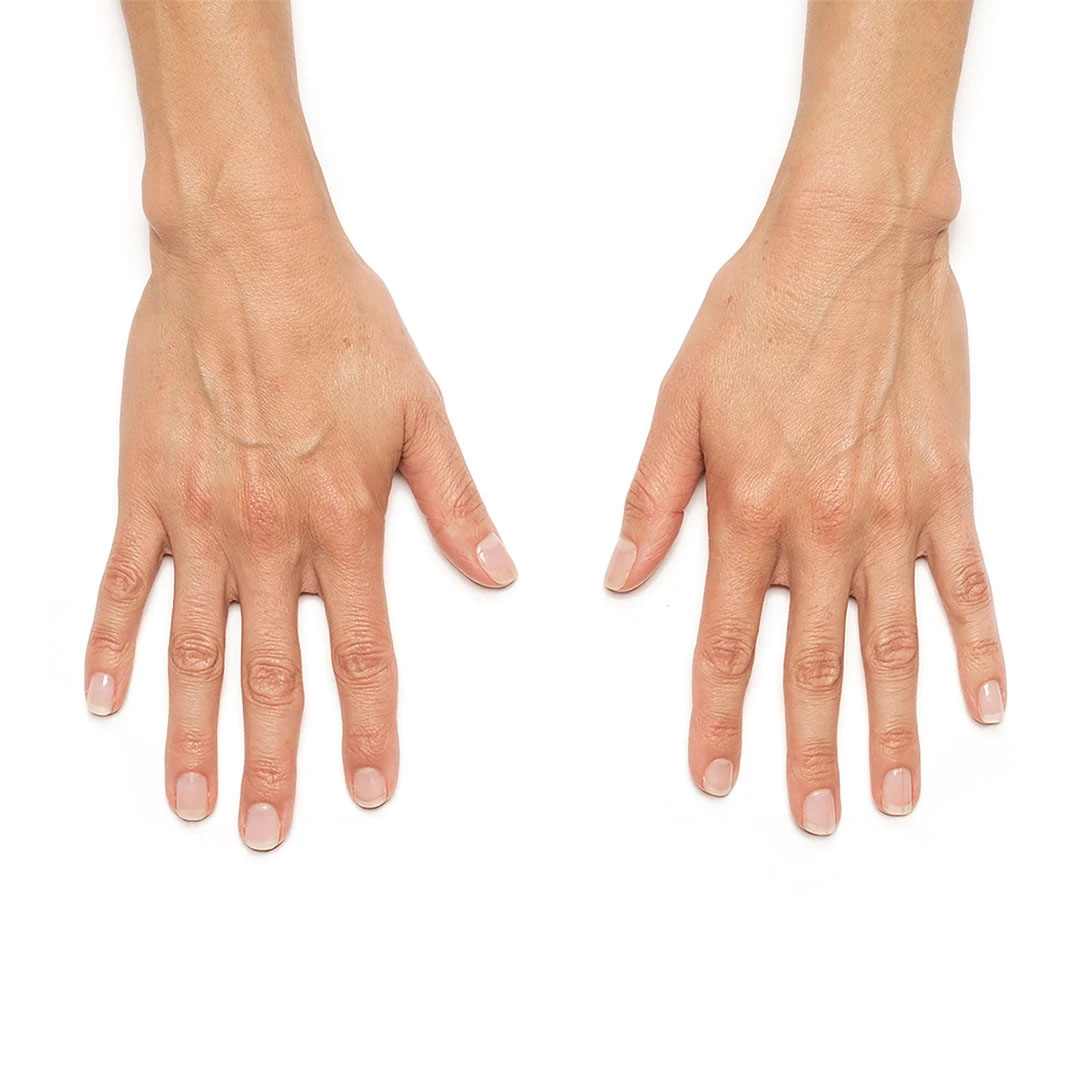
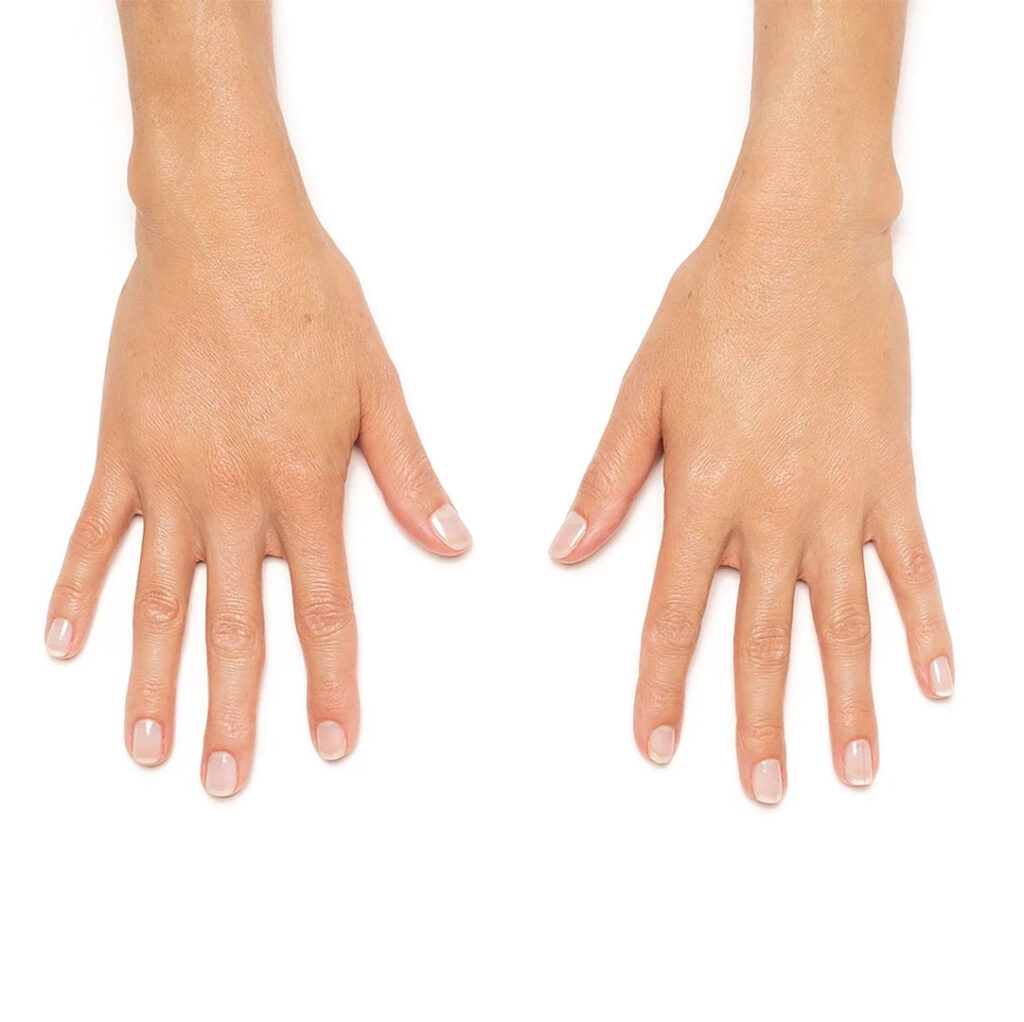
Manufacturer-provided RADIESSE® before-and-after example showing hand rejuvenation two weeks after treatment with 3 mL of RADIESSE®. Results may vary.
Restore support, improve skin quality, and stimulate your body’s natural collagen
Biostimulators such as Sculptra, Bellafill, and Hyperdilute Radiesse are designed to improve skin firmness, texture, and support by encouraging your body to build new collagen over time. Unlike traditional dermal fillers that primarily replace volume right away, biostimulators work more gradually to strengthen the skin’s foundation and restore a smoother, healthier-looking appearance.
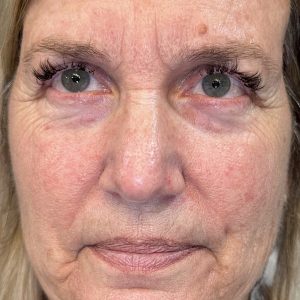
These treatments may be helpful for patients noticing facial thinning, crepey skin, soft tissue laxity, hollowing, deeper folds, or skin quality changes caused by collagen loss. Results are typically subtle, progressive, and natural-looking, with improvement continuing over the following weeks and months.
Treatment details
Treatment duration:
30 to 60 minutes
Downtime:
Minimal, although mild swelling, tenderness, redness, or bruising may occur
Duration of results:
Approximately 12 months to several years, depending on the product used, treatment area, number of sessions, and individual response
How biostimulators work
As the skin matures, collagen production naturally slows down. Collagen is one of the key proteins responsible for firmness, structure, elasticity, and support. Over time, collagen loss can contribute to thinner skin, skin laxity, hollowing, deeper folds, and a less defined facial shape.
Biostimulators are injectable treatments placed beneath the skin to activate a gradual collagen-building response. Rather than simply filling one line or adding isolated volume, these treatments support the skin and soft tissue from within.
Some biostimulators provide early improvement, while others work primarily over time as collagen develops. Because results depend on the body’s natural remodeling process, improvement is usually gradual and can continue for several months.
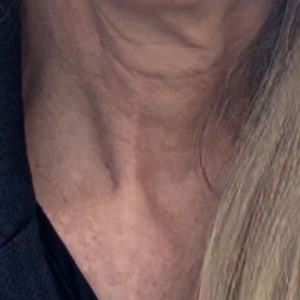
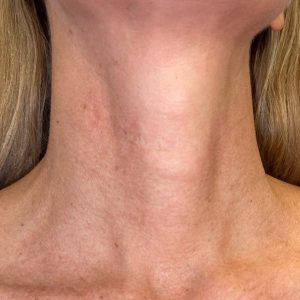

Sculptra vs. Bellafill vs. Hyperdilute Radiesse
| Feature | Sculptra | Bellafill | Hyperdilute Radiesse |
|---|---|---|---|
| Type | Poly-L-lactic acid biostimulator | Collagen and PMMA microsphere filler | Calcium hydroxylapatite biostimulator |
| Formulation | Injectable treatment designed to stimulate gradual collagen production | Collagen gel with PMMA microspheres for immediate correction and long-term support | RADIESSE® diluted with saline and/or lidocaine for broader collagen stimulation and skin quality improvement |
| Onset of results | Gradual | Immediate improvement with continued support over time | Gradual, with some early improvement depending on placement and dilution |
| Full results | Several months as collagen builds | Develops over time as the treatment settles and supports the area | Several weeks to months as collagen remodeling occurs |
| Duration | Often up to 2 years or more, depending on treatment plan | Long-lasting, depending on indication, area treated, and patient response | Often 12 to 18+ months, depending on area, dilution, and treatment plan |
| Best known for | Global collagen restoration and natural-looking volume improvement | Long-lasting correction for smile lines and certain acne scars | Skin firmness, texture improvement, crepey skin support, and collagen stimulation |
Treatable concerns
Collagen loss
Crepey skin texture
Skin laxity
Facial thinning
Cheek hollowing
Temple hollowing
Jawline softening
Lower-face laxity
Smile lines, also called nasolabial folds
Marionette lines
Neck skin quality
Décolleté texture
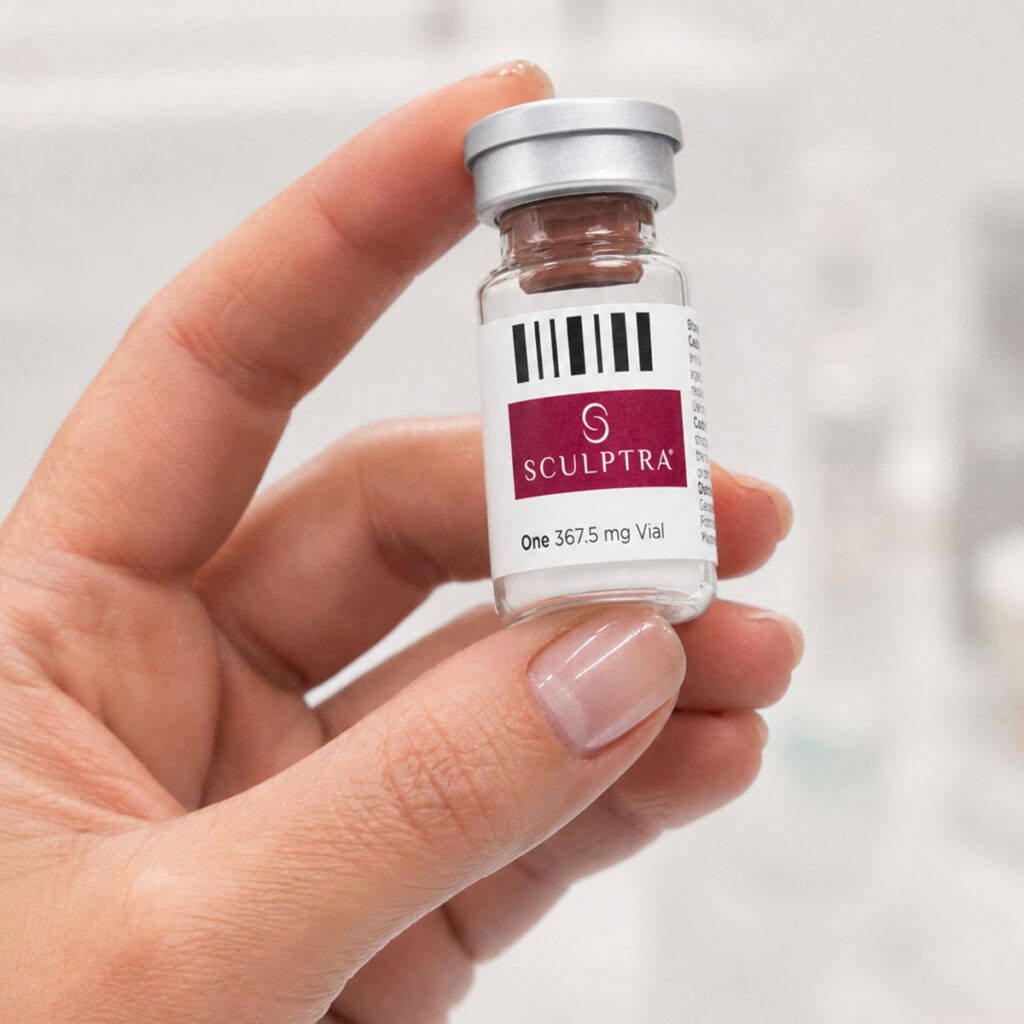
Sculptra is a biostimulatory injectable made with poly-L-lactic acid, also known as PLLA. Instead of simply filling a line or crease, Sculptra works by stimulating the body’s natural collagen production. This makes it a strong option for patients who want gradual, natural-looking improvement in facial volume, skin firmness, and overall support.
Sculptra is often used for broader facial rejuvenation, especially in areas where age-related collagen and volume loss have created hollowing, thinning, or a tired appearance. Common treatment areas may include the cheeks, temples, lower face, and jawline support areas, depending on the patient’s anatomy and goals.
Results develop gradually over time. Some initial fullness may be visible from the injection process, but the true Sculptra result appears as collagen production increases over the following weeks and months. A series of treatments is often recommended for best results.
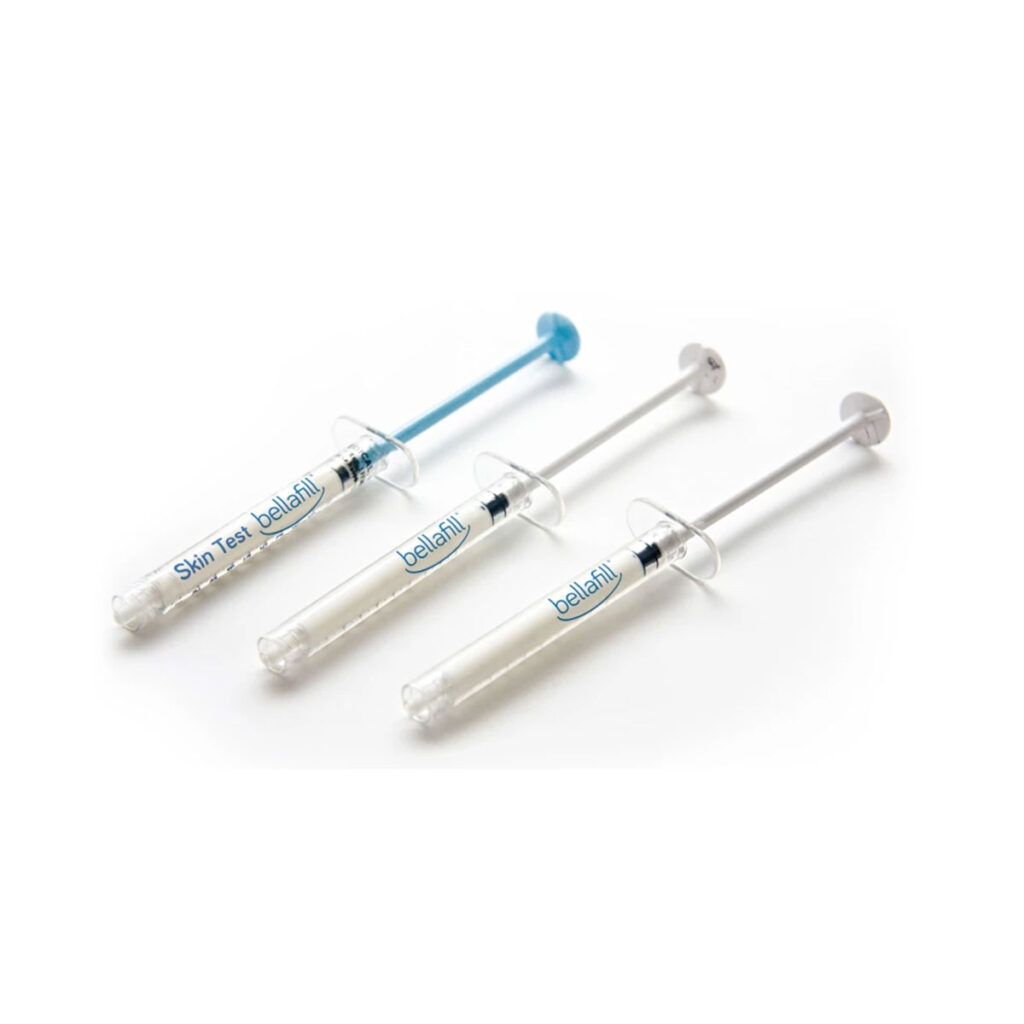
Bellafill is a long-lasting injectable made with collagen gel and polymethyl methacrylate, also known as PMMA microspheres. The collagen component provides immediate correction, while the PMMA microspheres remain in place to provide long-term structural support.
Bellafill may be considered for patients who want a longer-lasting option for smile lines or certain types of acne scars. Because it is not a hyaluronic acid filler, it cannot be dissolved with hyaluronidase. Careful patient selection, conservative placement, and an experienced injector are especially important.
Bellafill contains bovine collagen, so a skin test may be required before treatment. Patients with certain allergies, bleeding disorders, or a tendency toward thick scarring may not be candidates.
Hyperdilute Radiesse uses RADIESSE®, a calcium hydroxylapatite injectable, diluted with saline and/or lidocaine to create a thinner, more spreadable treatment. This is different from Radiesse used structurally for volume, lift, or contour.
When Radiesse is hyperdiluted, it is placed more broadly to improve skin quality rather than to create defined volume. The goal is to stimulate collagen production, support firmer-looking skin, and improve the appearance of crepey texture, thinning skin, and mild laxity.
Hyperdilute Radiesse may be used on areas such as the lower face, jawline, neck, décolleté, arms, abdomen, thighs, knees, and hands, depending on the patient’s needs and provider recommendations. Results are usually gradual, with improvement developing as the body responds by producing collagen.
Cost of the treatment
Starting at $900.
You have questions, we have answers...
Questions about Biostimulators
How long does treatment take?
Most dermal filler appointments take 30 to 60 minutes, depending on the number of areas being treated and whether a full facial balancing approach is recommended.
Does it hurt?
Most patients tolerate dermal filler treatment well. A topical numbing agent may be used, and many fillers contain lidocaine to help improve comfort during treatment. You may feel pressure, pinching, or brief tenderness during injection.
When will I see results, and how long do they last?
Results are usually visible immediately, although swelling and mild bruising can temporarily affect the final look. Most fillers settle over 1 to 2 weeks. Results may last 6 months to 18+ months depending on the filler used, treatment area, metabolism, and lifestyle factors.
Will I still look like myself after treatment?
Yes. The goal is gradual, natural-looking rejuvenation. Biostimulators are designed to improve support, firmness, and skin quality without creating an exaggerated or overfilled appearance.
Are biostimulators the same as dermal fillers?
Not exactly. Dermal fillers are often used to restore volume or contour immediately. Biostimulators are used to encourage collagen production over time. Some products can provide both immediate support and long-term collagen stimulation, but the main goal is improving the skin’s foundation.
What is the difference between Radiesse Structural and Hyperdilute Radiesse?
Radiesse Structural refers to Radiesse used for support, contour, and definition. Hyperdilute Radiesse refers to Radiesse diluted and used more broadly for collagen stimulation, skin firmness, texture, and crepey skin improvement.
How many treatments will I need?
The number of treatments depends on the product used, your age, collagen loss, treatment area, and desired result. Sculptra and Hyperdilute Radiesse often work best as a series. Bellafill treatment planning is highly individualized.
Is there downtime after biostimulator treatment?
Downtime is usually minimal. Mild swelling, redness, tenderness, bruising, or temporary firmness can occur. Your provider will give specific aftercare instructions based on the product used and areas treated.