Refined contour with advanced liposuction
Why patients choose Body Sculpting
- Removes stubborn localized fat
- Helps refine body shape
- Supports smoother contouring
- Can treat multiple areas
- May be combined with fat transfer
What is Body Sculpting?
Body Sculpting at Mooi Spa uses advanced liposuction techniques to remove unwanted fat and enhance natural contours. This treatment may include Power-Assisted Liposuction, VASER ultrasound-assisted liposuction, or a customized combination of both.
Unlike non-surgical body contouring, liposuction removes fat through small incisions using a cannula. It is best suited for patients who are near a stable weight but have specific areas of stubborn fat that do not respond well to diet and exercise.
How does Body Sculpting work?
Power-Assisted Liposuction uses a specialized vibrating cannula to help break up and remove fat more efficiently. This can support smoother fat removal and more controlled contouring, especially in dense or fibrous areas such as the back, flanks, or male chest.
VASER uses ultrasound energy to help loosen and emulsify fat before removal. By preparing the fat before extraction, VASER can support precise contouring and may be especially useful for high-definition sculpting or cases where harvested fat may be used for transfer.
These technologies may be used individually or together depending on the treatment area, body type, and desired result.
What can Body Sculpting treat?
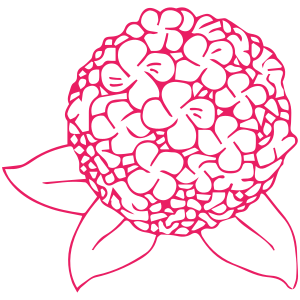
Abdomen
Flanks
Back
Bra-line area
Upper arms
Inner or outer thighs
Knees
Male chest
Chin and jawline
Areas needing refined definition
Fat transfer options
When appropriate, fat removed during body sculpting may be purified and transferred to restore or enhance volume in other areas of the body. This approach, often called autologous fat transfer or fat grafting, uses your own tissue rather than synthetic fillers or implants.
After liposuction, the harvested fat is processed to isolate healthy fat cells. These cells are then carefully injected into the treatment area in small amounts and multiple layers to help support smooth, natural-looking results. Because the transferred fat comes from your own body, it is generally well tolerated and can provide both contour reduction in one area and volume enhancement in another.
Fat transfer may be considered for the:
- Face
- Hands
- Breasts
- Buttocks
Not all transferred fat cells survive the healing process. A portion of the grafted fat is naturally reabsorbed by the body over time, which means final results may differ from the initial appearance after treatment. In some cases, additional sessions may be recommended to achieve a patient’s desired outcome.
The best candidates for fat transfer have adequate donor fat, realistic expectations, and treatment goals that align with what fat grafting can safely accomplish. Your provider will discuss whether fat transfer is appropriate for your anatomy and aesthetic goals during your consultation.
Treatment process
Your treatment begins with a consultation to review your goals, medical history, treatment areas, and candidacy. Your provider will determine whether Power-Assisted Liposuction, VASER, or a combined approach is best for your plan.
The procedure is performed through small incisions. Fat is loosened and removed using specialized liposuction technology, with the goal of creating smoother, more balanced contours.
If fat transfer is part of your treatment plan, the harvested fat will be processed and strategically reinjected into the selected area before the procedure is completed.
After treatment, you may experience swelling, bruising, tenderness, numbness, or soreness. Compression garments and specific aftercare instructions are typically part of the recovery process.
What to expect
Some contour improvement may be visible early, but swelling can temporarily obscure results. Final results typically develop gradually as swelling improves and the treated area settles.
For patients undergoing fat transfer, the transferred fat also requires time to establish a blood supply and stabilize. Initial swelling may make the area appear fuller than the eventual result. The surviving fat cells that successfully integrate into the surrounding tissue can provide long-lasting enhancement.
Your timeline will depend on the treatment areas, the amount of fat removed, your healing response, and your aftercare plan.
Result longevity
Fat cells removed during liposuction do not grow back. However, remaining fat cells can still enlarge with weight gain, hormonal changes, aging, or lifestyle factors.
Transferred fat that successfully establishes a blood supply may remain long term, although natural aging and weight fluctuations can still influence your appearance over time.
Maintaining a stable weight and healthy habits can help support long-lasting results.
Cost of the treatment
Starting at $8,500.
Frequently asked questions
Is this the same as non-surgical fat reduction?
No. Non-surgical body contouring does not remove tissue from the body. Liposuction physically removes fat through a cannula.
Will I need downtime?
Yes. Downtime varies depending on the areas treated and the extent of the procedure. Your provider will review your expected recovery timeline during your consultation.
Can Body Sculpting tighten loose skin?
Liposuction may improve contour, but it does not replace a skin-removal procedure. Patients with significant loose skin may need a different treatment plan.
Can removed fat be transferred elsewhere?
In some cases, yes. Harvested fat may be purified and transferred to areas such as the face, hands, breasts, or buttocks when appropriate. Your provider will determine whether you are a good candidate based on your goals, available donor fat, and overall health.
Is fat transfer permanent?
Some of the transferred fat is naturally reabsorbed during healing. The fat cells that survive and establish a blood supply can provide long-lasting results, although future weight changes and aging may affect the outcome.