May be considered for selected facial and hand areas
Allows multiple areas to be evaluated during one treatment plan
Provides an alternative to commercially manufactured dermal fillers
Is customized according to anatomy and aesthetic goals
Your provider performs an individualized evaluation of your facial anatomy, medical history, available donor areas, previous procedures and aesthetic goals before determining whether fat transfer is appropriate.
What is Fat Transfer?
Fat transfer, also called fat grafting, is a rejuvenation treatment that uses your own fat to restore lost volume in areas of the face or hands. As we age, the fat that gives the face a smooth, youthful shape naturally decreases, shifts, and becomes less evenly distributed. This can make the cheeks, temples, under-eyes, jawline, and hands appear thinner, hollow, or aged.
During a fat transfer treatment, fat is gently removed from another area of the body, purified, and carefully placed into the areas where volume has been lost. Because the treatment uses your own tissue, it offers a more natural approach to volume restoration compared to synthetic fillers.
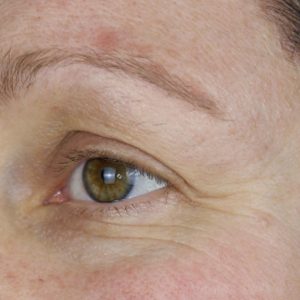
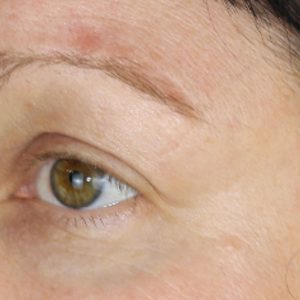
See our stunning results
Before & after
Areas That May Be Considered for Fat Transfer
Cheeks
Temples
Under-eye hollows
Nasolabial folds
Marionette lines
Jawline support
Aging hands
How Fat Transfer works
Fat transfer begins with a consultation to determine where volume has been lost and where fat can be safely harvested from the body. Common donor areas may include the abdomen, thighs, or other areas with available fat.
Once the fat is collected, it is processed and purified before being carefully injected into the treatment area. The goal is to restore natural-looking fullness, improve facial balance, and soften the appearance of aging without creating an overfilled look.
Fat Transfer vs. Dermal Fillers
Dermal fillers can be an excellent option for adding volume and contour, but they are temporary and require maintenance over time. Fat transfer and dermal fillers are different options for addressing facial volume and contour. Fat transfer uses tissue collected from the patient’s body, while dermal fillers are commercially manufactured injectable products. The most appropriate option depends on the treatment area, anatomy, desired degree of correction, recovery considerations and your provider’s evaluation.
Fat transfer is especially helpful for patients with more noticeable volume loss or those who want to restore softness to multiple areas of the face or hands.
Cost of the treatment
Starting at $6,500.
Frequently asked questions
Who may be a good candidate?
Fat transfer may be a good option for patients who:
Have facial or hand volume loss
Prefer a natural approach using their own fat
Want longer-lasting volume restoration
Have enough donor fat available
Are looking for soft, subtle rejuvenation
Understand that results develop gradually
A consultation is the best way to determine whether fat transfer is the right option or whether another treatment may be more appropriate.
Why is fat transfer used for the hands?
As the hands age, they can lose volume, making tendons, veins, and bones appear more noticeable. Fat transfer can help add soft cushioning beneath the skin, giving the hands a smoother and more youthful look.
Where is the fat taken from?
Fat is typically taken from an area with available volume, such as the abdomen, thighs, hips, or other donor areas. The best donor area depends on your anatomy, treatment plan, and the amount of correction needed.
Is all of the transferred fat permanent?
Not all transferred fat will survive. The body naturally absorbs some of the transferred cells during the healing process. The fat that successfully integrates with the surrounding tissue can provide longer-lasting volume improvement, but individual results vary.
Important information
Fat transfer involves both fat collection and injection. Temporary swelling, bruising, tenderness and soreness may occur at the donor and treatment areas. Other potential risks include infection, bleeding, asymmetry, contour irregularities, fat necrosis and partial loss of the transferred volume. Rare but serious complications may also occur. Your provider will discuss the risks associated with the proposed donor and treatment areas before proceeding.
Cookie Consent
We use cookies to improve your experience on our site. By using our site, you consent to cookies.
Cookie Preferences
Manage your cookie preferences below:
Essential cookies enable basic functions and are necessary for the proper function of the website.
Name
Description
Duration
Cookie Preferences
This cookie is used to store the user's cookie consent preferences.
30 days
These cookies are needed for adding comments on this website.